Industry applications

TRUMPF laser equipment adapts to the production logic of each industry

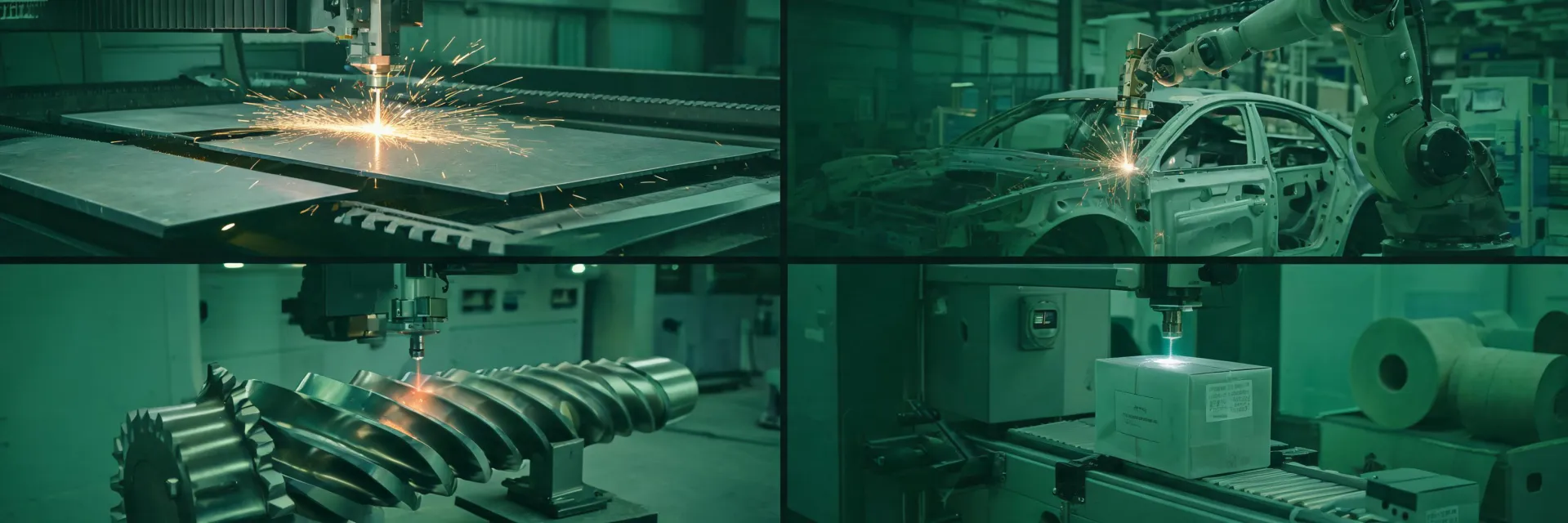
Sheet metal fabricators, automotive suppliers, aerospace shops, signage producers, packaging coders, and education labs use different proof points. The laser equipment conversation should reflect the part, the inspection rule, the operator environment, and the production rhythm.

Across processing markets

Application pillars across laser processing markets

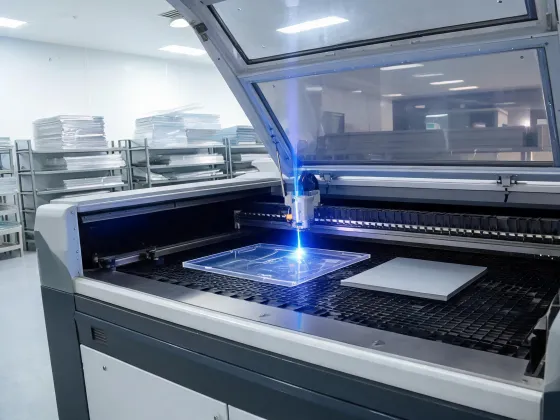
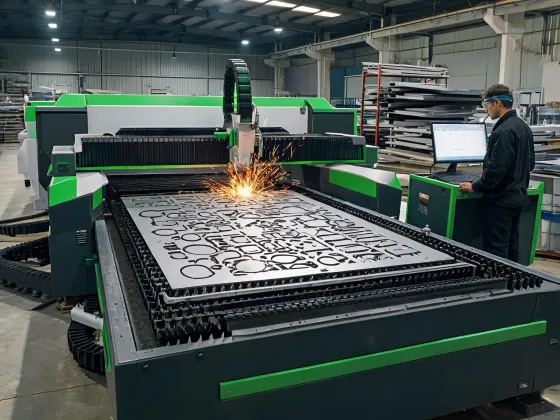
Sheet metal laser cutting

Sheet metal fabrication

Fabricators care about pierce reliability, nesting efficiency, edge condition, mixed material scheduling, and loader compatibility. TRUMPF laser cutting discussions often start with the daily plate mix rather than a single maximum thickness claim.
Automotive laser welding

Automotive suppliers

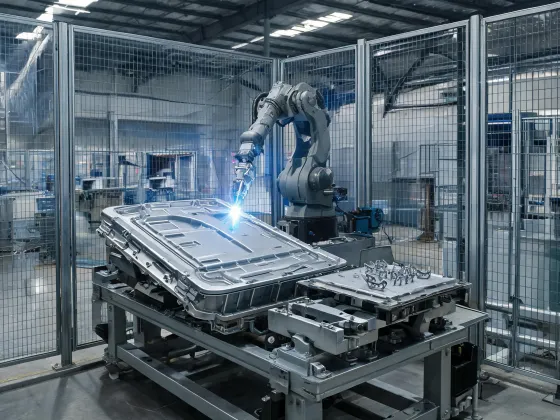
Automotive programs need repeatable welds, permanent part marks, traceable parameter records, and equipment that can support launch changes without destabilizing the line.

Aerospace laser marking

Aerospace manufacturing

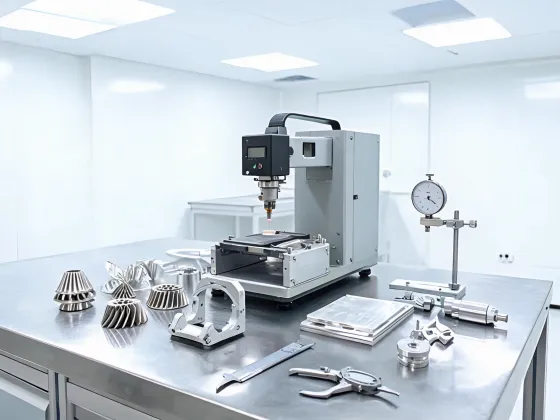
Aerospace teams weigh heat influence, code permanence, material documentation, and inspection discipline. The right laser process must respect certification evidence as much as throughput.

Signage laser engraving

Signage and display

Signage producers compare cut finish, engraving depth, acrylic behavior, batch flexibility, and operator-friendly setup because projects change quickly and visual defects are immediately visible.

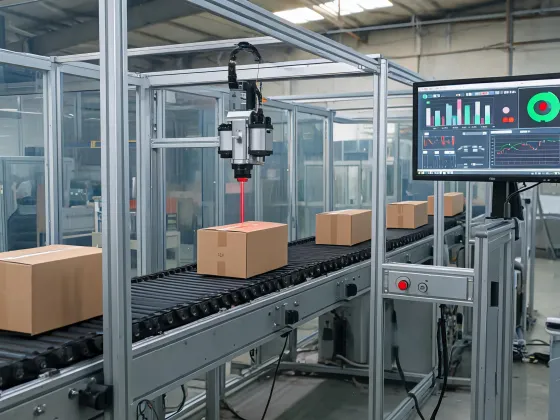
Packaging coding laser

Packaging coding

Packaging lines value legible codes, uptime, fume control, product changeover speed, and integration with conveyor controls. Marking reliability must be proven at line speed.

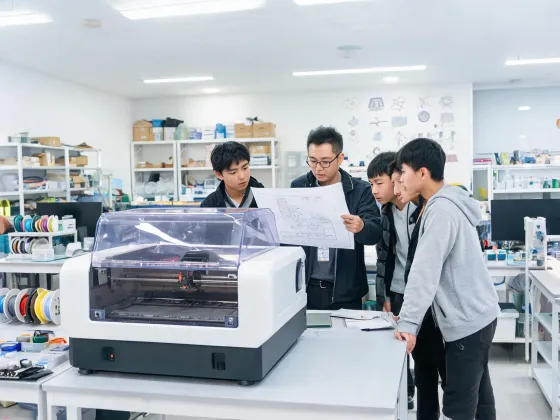
Education maker laser lab

Education and maker labs

Schools and prototyping labs need safety routines, material guidance, simple job setup, and enough process flexibility to support demonstrations without industrial staffing levels.

Transformation cases

What changes when the laser process is planned as a system

-28%

Fabrication cycle compression

A sheet metal team reduced secondary deburring pressure by reviewing cut parameters, assist gas strategy, and material storage before machine installation. The gain came from a cleaner process window, not a single speed setting.

99.4%

Traceability read rate

An automotive supplier improved code reliability by validating marking contrast against surface finish and fixture repeatability, then tying recipes to production records.

2 shifts

Welding cell handoff

A precision assembly line moved from manual weld development to controlled laser welding by documenting joint fit-up, clamping sequence, and operator inspection checkpoints.

Industrial laser applications background

Match your industry constraints to a laser equipment path.

Share the part family, material standard, inspection rule, line speed, and automation environment that shape your application.