Beam quality discipline
Laser source selection begins with wavelength, beam quality, and material response. The goal is to define where cutting speed, marking contrast, or weld penetration can be stable enough for production acceptance.
TRUMPF technology is explained here through machine direction rather than broad future claims. The focus is fiber and CO2 laser behavior, smart factory integration, process monitoring, and service diagnostics that help industrial teams run laser equipment with confidence.
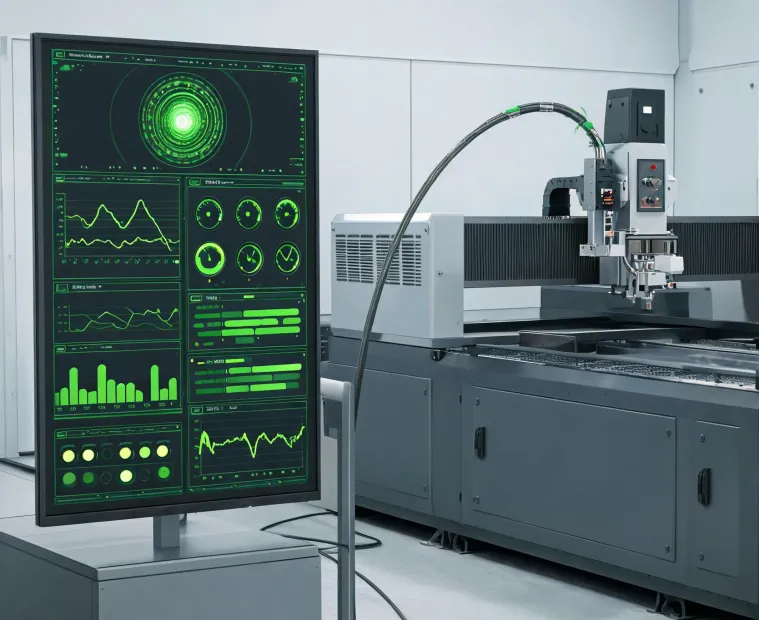
The roadmap is framed around measurable machine behavior. It avoids vague future language and concentrates on the practical capabilities that change how engineers specify, run, and maintain laser equipment.
Laser source selection begins with wavelength, beam quality, and material response. The goal is to define where cutting speed, marking contrast, or weld penetration can be stable enough for production acceptance.
Process monitoring, code verification, and diagnostic signals help teams see when a job is drifting before the issue becomes scrap, rework, or downtime.
Laser equipment must communicate with loaders, robots, storage, extraction, inspection systems, and MES layers without forcing operators to manage disconnected islands.
Recipes, maintenance events, consumable checks, and alarm history create the evidence base needed to support multi-shift operation and faster troubleshooting.
Power is evaluated with material mix, gas strategy, and pierce behavior so the specification reflects production reality instead of a headline number.
Marking technology is judged by contrast, code verification, cycle time, fixture repeatability, and durability through downstream handling.
Welding automation connects beam delivery, clamping, seam access, shielding, and monitoring to produce repeatable joints in production fixtures.
Machine status, recipes, maintenance signals, and production records help supervisors understand laser equipment performance across shifts.

Robot reach, guarding, part presentation, and path control determine whether laser welding or handling can be repeated safely.
Recipe data, production status, and traceability records need clear interfaces when laser equipment becomes part of a connected factory.
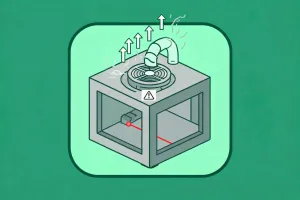
Beam containment, fumes, interlocks, and operator access shape the cell design as much as the laser source itself.

Cut edge, weld seam, and code readability standards provide the evidence that a process is ready for release.
Bring your material, quality standard, automation assumption, and data requirements into a structured discussion about TRUMPF technology fit.